Day Hike Packing List: What to Actually Bring (and Skip)
A day hike packing list needs to cover four things: layering for the weather, enough water and food for the distance, basic safety items, and nothing else — the biggest overpacking mistake on short hikes is bringing overnight-trip gear for a three-hour walk.
What to carry it all in
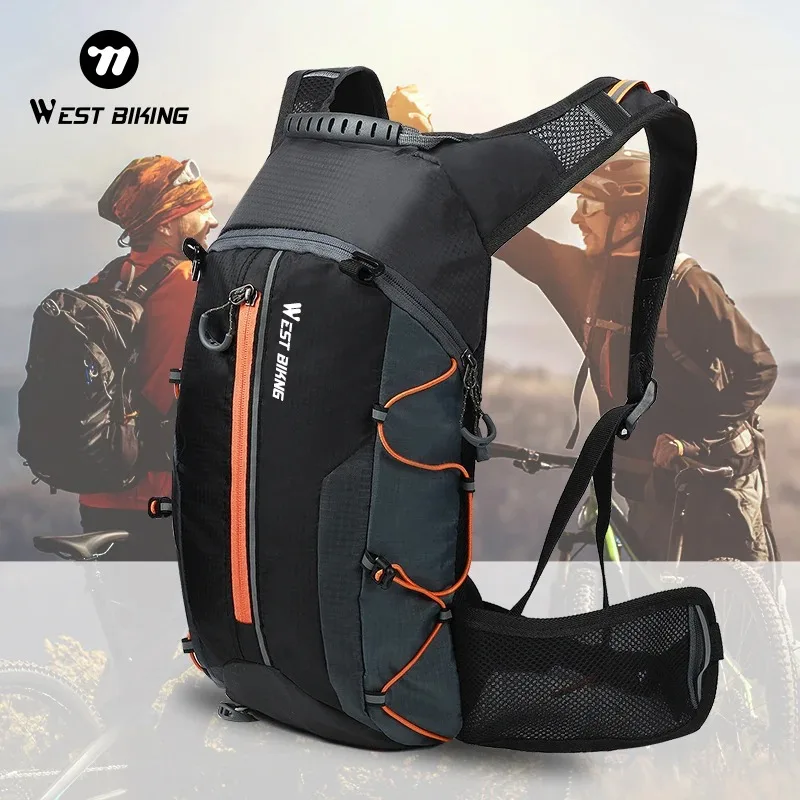
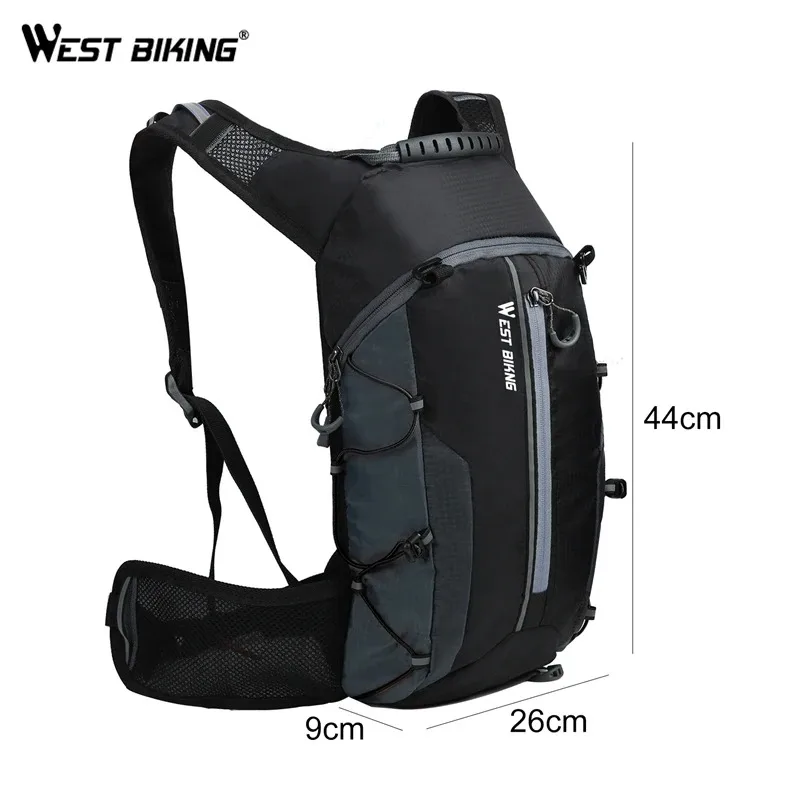
A day hike doesn’t need the 50-litre pack the backpacking pack guide covers for overnight trips — it needs something small enough to stay comfortable for a few hours, with side or hip access so you’re not digging through a full-size bag for a snack.
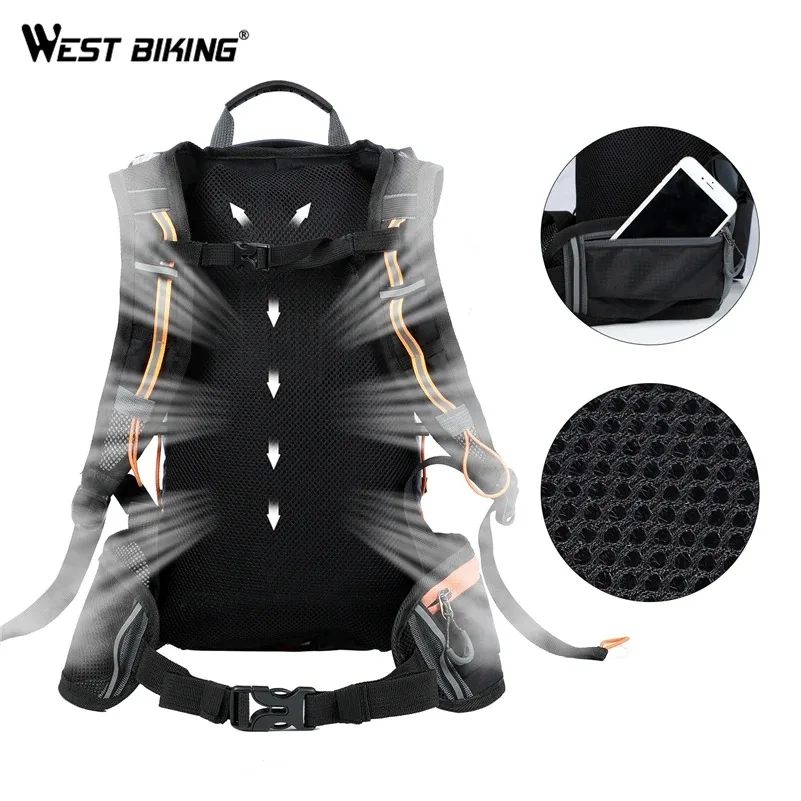
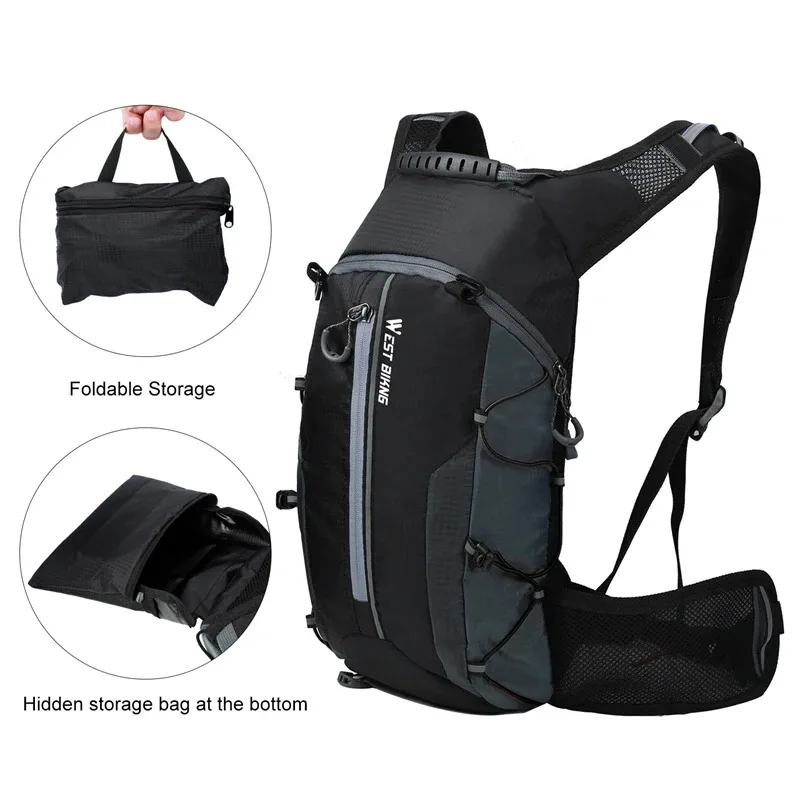
The slim pack above is sized for exactly that: 44 × 26 × 9cm, waterproof nylon body, a ventilated mesh back panel, a port for a hydration hose, and a front pocket sized for a phone. It folds down into its own hidden bottom pocket when not in use. Those are the manufacturer’s own listed specs for this specific pack, not a claim this site has tested — check them against your own gear and the length of your usual hike before buying.
Clothing
- Moisture-wicking base layer top and bottoms (no cotton)
- Packable mid layer (fleece or light insulated vest) — carried, not worn, at the trailhead
- Packable wind/rain shell
- Sun protection: hat and buff, even under cloud cover above the treeline
- One extra pair of socks in a dry bag — the single most commonly forgotten item, and a leading cause of blisters
Note the word carried on the mid layer. If you are comfortable standing at the trailhead you are dressed for standing still, not for walking uphill, and you will be sweating within a few minutes of starting. Start slightly cold and put the layer on when you stop.
Water and food
Two liters of water is a reasonable starting point for a moderate day hike, and it is a starting point rather than a rule — heat, elevation, how hard you are working and how much you personally sweat all move the real number, in some cases a lot. Look at the route for refill points before you go, and if there are none, carry the whole day’s supply.
For food, simple and calorie-dense beats elaborate: trail mix, an energy bar for the halfway point, a sandwich, and an electrolyte packet if you’re sweating heavily (cramps are often a salt problem, not just a water problem).
Eat before you feel hungry and drink before you feel thirsty. Both sensations lag behind the actual need, and on a hot climb the gap is wide enough to matter. Dehydration takes your judgement well before it takes your legs, which is why so many bad decisions get made in the last hour of a long day.
Safety basics — the ones that earn their weight
- A map or downloaded offline trail map — don’t rely on cell signal. Screenshot the route as well; a screenshot survives a dead data connection, a browser tab does not.
- A basic first-aid kit. Blister care matters more than most other items in it, and blister care used early beats blister care used late.
- A headlamp, even for a hike you plan to finish before dark. Being caught out at dusk is common; being caught out at dusk without light is what turns it into a problem.
- A fully charged phone, and a battery pack if the day is long. Cold weather drains batteries faster, so keep the phone somewhere warm.
- A whistle. Almost weightless, carries much further than your voice, and works when you are exhausted.
What to leave home
Full cook systems, tent stakes, a sleeping bag, and a second complete outfit belong on an overnight trip, not a day hike. If you’re carrying gear you can’t name a specific use for on this exact trip, it’s dead weight.
The same applies to the enormous “ten essentials”-style lists that circulate online. Most of them are written to cover every hike anyone might ever do, from a suburban loop to a remote alpine traverse. Carrying all of it on a two-hour woodland walk is not caution, it is just a heavy bag — and a heavy bag makes you slower, which is its own risk.
Want the rest of the skills, not just this one?
Tell someone where you are going
This is the item that weighs nothing and matters most, and it is not gear. One person should know your route and roughly when you expect to be back. A search that starts with a known route and a known return time is short. One that starts with “he mentioned something about the hills” is not.
Send it as a message so it is written down rather than remembered, and tell them when you are safely out.
Adjust the list for the actual day
The list above is a baseline, not a fixed kit. Three questions change it:
How long, and how remote? A busy trail an hour from a road forgives mistakes that a quiet route four hours out does not. Distance from help is the real variable, not distance walked.
What is the forecast doing later? Not at the trailhead now — later, and higher up. Conditions on exposed ground are colder and much windier than at the car park.
Who is with you? Children, someone new to walking, or a dog all slow the group and widen the range of what can go wrong. Pack for the slowest person, not for yourself.
Pack it so you will actually use it
Anything you need while walking — shell, water, snacks, map, sunscreen — goes in a lid pocket, hip-belt pocket or side pocket. Anything buried at the bottom of the bag is effectively not with you, because in wind and drizzle almost nobody stops, takes the pack off and digs. They push on and get cold instead.
Put the spare socks and anything that must stay dry in a sealed bag, even inside a “waterproof” pack. Pack covers keep rain off the outside and do nothing about the rain running down your back into the top.
A simple way to decide
Ask what happens if the weather turns, you’re out longer than planned, or someone gets a minor injury — then pack for those three scenarios and stop. That’s the whole list.
Those three cover nearly everything that actually goes wrong on a day hike. Anything that does not serve one of them is a candidate to leave at home, and anything that serves two is worth its weight twice over — which is why a shell, a headlamp and a bag of food end up on every version of this list ever written.
Quick answers
What should I bring on a day hike? Enough for the three things that actually go wrong: a weather change (extra layer, shell), being out longer than planned (headlamp, extra food and water), and a minor injury (basic first aid). Everything else is comfort.
What do people forget on a day hike? A headlamp, even for a hike planned to finish before dark, and a layer warm enough for stopping rather than just moving.
Do I need a first aid kit for a short day hike? A basic one, yes — blister care and a few dressings cover the situations that actually happen on short hikes.
How much water should I bring on a day hike? Enough for the distance plus a margin for being out longer than planned, adjusted for heat and effort rather than a single fixed number.
What should I pack for a 12-hour day hike? The same day-hike list, scaled up for time on trail: more water and food than a short walk needs, a genuine headlamp rather than a backup one, and a warmer layer for whatever the day turns into once the sun gets low.
The full kit pairs this with the Survival Cards deck — so you’re not only packed right, you know what to do when the day goes sideways.
Learn it properly, before you need it
Survival Cards turns this and 88 other skills into a deck you can play round a fire — $19, print at home. See what's inside →
Related guides
Backpacking Packing Checklist for Beginners (Overnight Trips)
An overnight backpacking checklist covering layering, shelter, sleep system, cooking, how to load the pack, and the weight tradeoffs beginners get wrong.
packing checklist for first camping tripPacking Checklist for Your First Camping Trip (Keep It Simple)
A packing checklist for your first camping trip — the essentials that matter: shelter, sleep, clothing layers, food, and safety, without the overwhelm.
how to layer clothes for hikingHow to Layer Clothes for Hiking: A Beginner's System
A step-by-step guide to layering clothes for hiking — base, mid, and shell layers explained, with what to wear them for and when to add or remove each one.
camping first aid basicsCamping First Aid Basics (And Why This Article Is Not Enough)
The camping first aid situations you are most likely to meet — bleeding, burns, sprains, heat and cold — and the clear signs that mean stop and call for help.